What is the difference between filtered and unfiltered extra virgin olive oil?
In the exciting world of gastronomy, few things compare with extra virgin olive oil (EVOO), known as the “liquid gold” of the Mediterranean. Its presence in the kitchen has become essential, bringing a sublime touch to our dishes, both raw and cooked. But a question often arises among consumers: what is the difference between filtered and unfiltered EVOO? Let’s see what are the key distinctions between these two variants!
Before knowing their differences, it is important to note that both unfiltered and filtered extra virgin olive oil share the same properties and level of acidity. In terms of quality, it cannot be said that one is superior to the other. The healthy properties that make EVOO a nutritional treasure remain intact, without the filtering process having any impact on this aspect. However, it is true that there are other distinctions.
Filtered vs. unfiltered extra virgin olive oil
Differences in appearance
The main visual distinction between the two types of EVOO lies in their appearance.
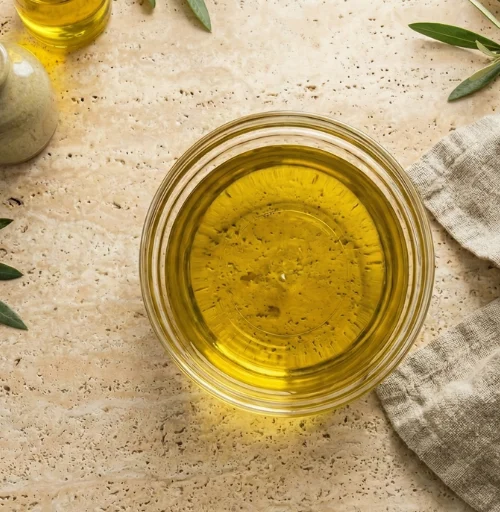
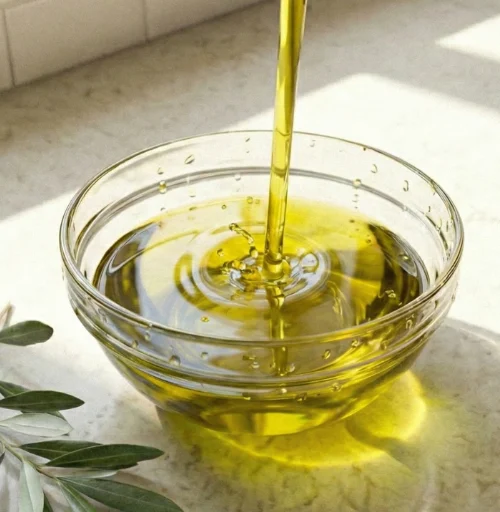
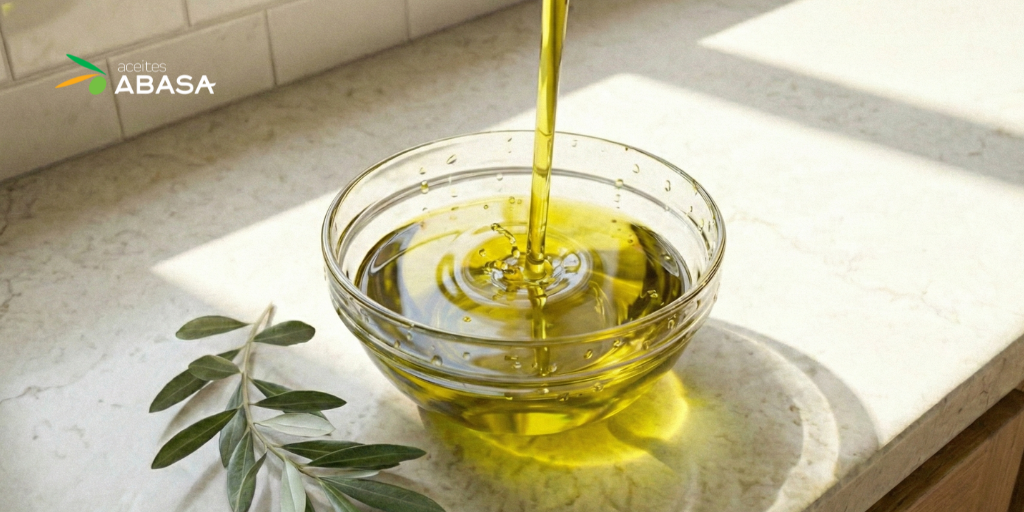
Filtered extra virgin olive oil is clearer and more transparent, as it has undergone a filtration process that eliminates suspended particles present in the oil.
On the other hand, unfiltered extra virgin olive oil retains its cloudy appearance due to the presence of these particles, which gives it a denser and more opaque appearance.
Differences in taste
Filtering extra virgin olive oil can slightly influence its flavor and aroma.
By removing impurities, filtered EVOO tends to have a smoother, more delicate flavor, allowing the fruity and herbaceous nuances to stand out more clearly. In contrast, unfiltered EVOO retains a greater amount of aromatic compounds and more intense flavors, which can result in a more robust and distinctive taste profile.
Differences in consistency
The filtration process gives extra virgin olive oil a lighter and more fluid texture, a characteristic that facilitates its pouring and dosage in different culinary preparations.
Unfiltered EVOO tends to have a denser and more viscous texture due to the presence of suspended particles, which can result in a different sensory experience when used in cooking.
Shelf life differences
Filtered EVOO generally has a longer shelf life than unfiltered EVOO. By removing impurities, the risk of oxidation and rancidity is minimized, which prolongs the freshness and quality of the oil for longer.
On the other hand, unfiltered EVOO may have a shorter shelf life due to the presence of compounds susceptible to oxidation.
Both preserve the healthy properties of EVOO, so the choice between one or the other depends on personal taste and specific use in the kitchen.