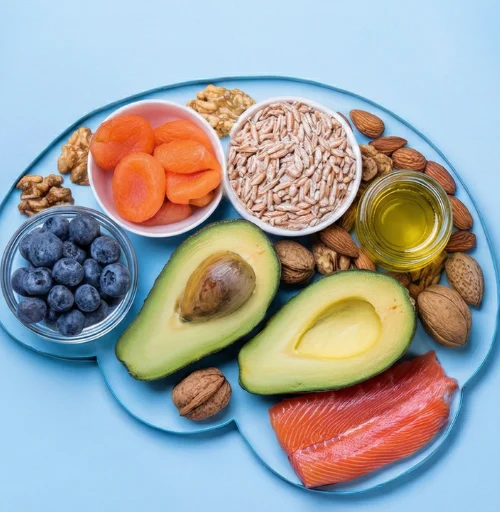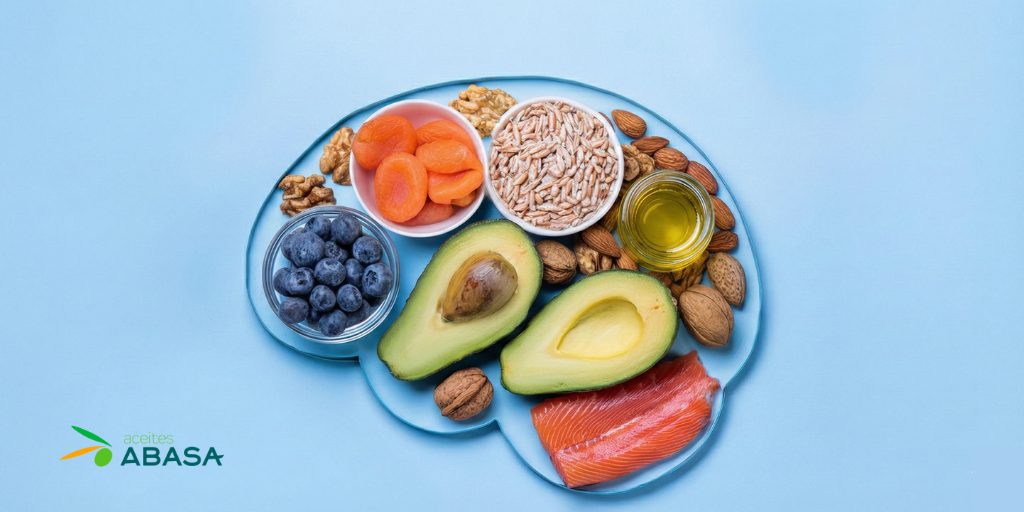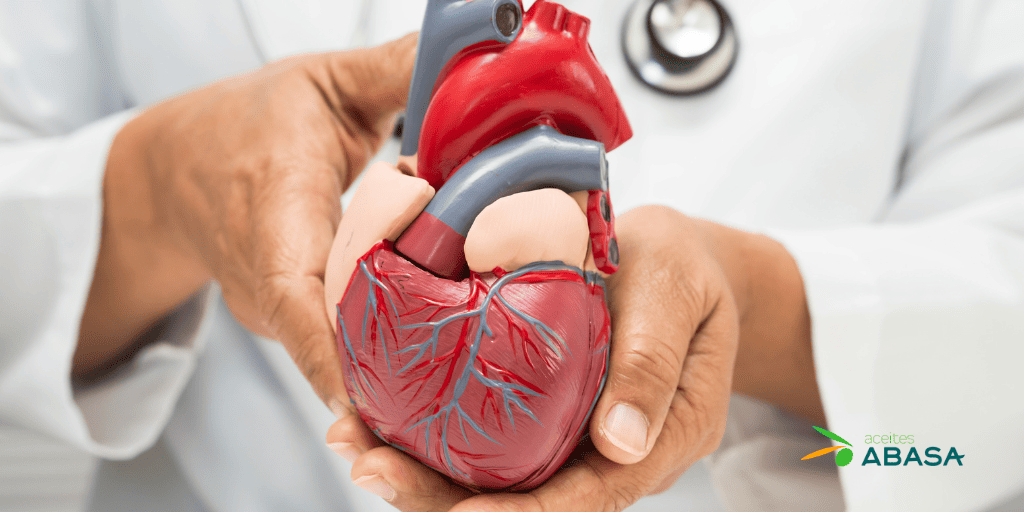
Cardiovascular health is undoubtedly one of the pillars of long-term well-being. In this context, cholesterol plays vital roles in the body, from the formation of cell membranes to the production of hormones. The key, therefore, lies in selecting fats that promote optimal metabolic function.
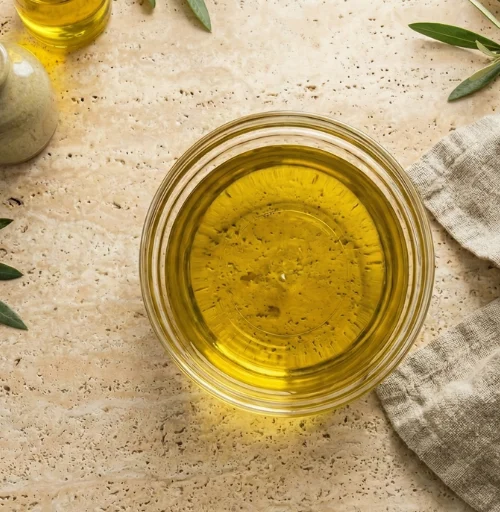
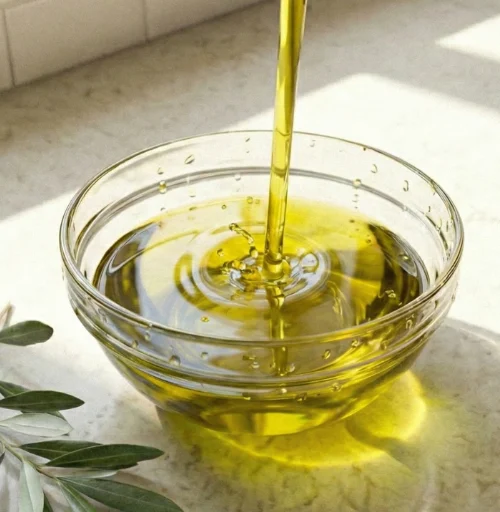
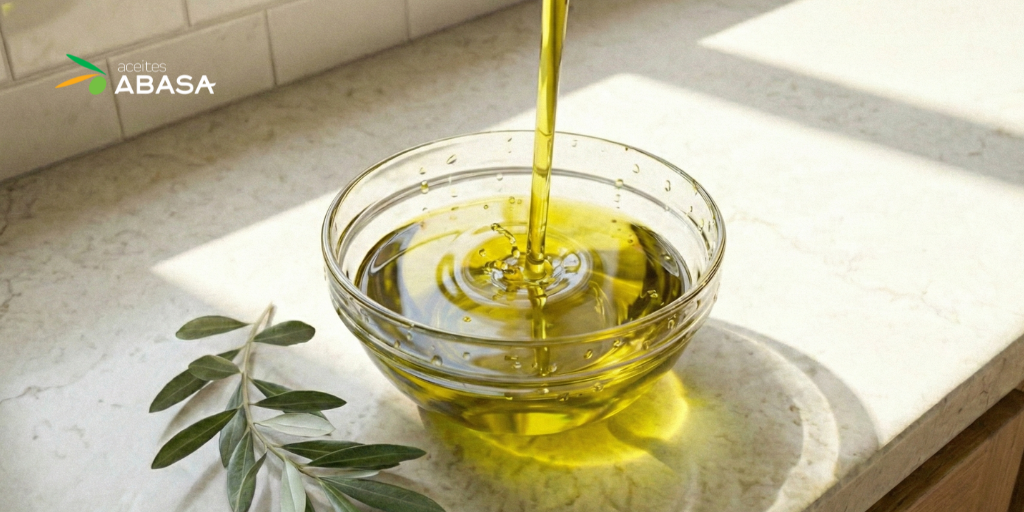
Olive oil and especially extra virgin olive oil, is positioned as the benchmark dietary fat. Its unique composition not only respects the physiology of the human body, but also actively helps to maintain the lipid balance necessary for a healthy life.
Below, we analyze how this “liquid gold” acts in the circulatory system.
Understanding the dynamics of cholesterol: LDL and HDL
To understand the benefits of oil, it is essential to understand how fats move in the blood through lipoproteins:
- Low-density lipoproteins (LDL): responsible for transporting cholesterol from the liver to the tissues that need it.
- High-density lipoproteins (HDL): perform the reverse process, collecting excess cholesterol and returning it to the liver, where it is processed.
The excellence of olive oil lies in its ability to modulate this balance. Numerous studies show that regular consumption of monounsaturated fatty acids helps maintain LDL levels within healthy ranges, while protecting and even promoting HDL levels. In other words, it helps the body’s natural “return and clean-up” system to function with total efficiency.
Oleic acid: the basis of fluid circulation
The great competitive advantage of olive oil over other culinary options is its high oleic acid (Omega-9) content.
This monounsaturated fat is recognized for its stability and beneficial properties. By incorporating it into our diet, we help improve the sensitivity of cell membranes and promote a more fluid circulatory environment. In other words, oleic acid acts as a facilitator, promoting arterial health and proper vasodilation.
Polyphenols: protection against cellular oxidation
A crucial technical aspect that often goes unnoticed is the oxidative stability of cholesterol itself. For the cardiovascular system to function properly, it is vital to prevent LDL particles from oxidizing.
This is where extra virgin olive oil provides invaluable benefits. Thanks to its high content of phenolic compounds (polyphenols) and vitamin E, olive oil provides antioxidants that protect blood lipids from oxidative stress. It acts as a natural protective shield, preserving the integrity of our arteries and tissues.
Gastronomy and health: a positive combination
Incorporating olive oil into your daily diet is the simplest strategy for looking after your health:
- It improves the absorption of fat-soluble vitamins (A, D, E, K) present in other foods.
- It adds flavor and texture.
- It turns simple dishes into sources of heart-healthy nutrients.
Cardiovascular health starts at the table. Choosing a quality olive oil is a smart decision that combines gastronomic enjoyment with active prevention.
At Aceites ABASA, we understand that offering a good oil is not just about providing an ingredient; it is about delivering a health tool that brings real value to the end consumer, ensuring that every meal adds to their well-being.