Polyphenols are recognized as natural antioxidants, present in a wide variety of foods consumed daily. These natural substances offer numerous health benefits. Find out what they are and why they play such an important role in the diet.
What are polyphenols?
Polyphenols are naturally occurring chemical compounds found in many plants. They are attributed with various health benefits due to their antioxidant effects. These compounds help neutralize free radicals in the body, protecting cells from oxidative damage and contributing to the prevention of various diseases.
Where are polyphenols found?
These natural compounds are found in a wide variety of plants, including fruits, vegetables, grains, herbs, and spices. They are responsible for the vibrant colors of many fruits and vegetables, such as the deep red of strawberries, the dark blue of blueberries, and the dark green of spinach. Chemically, polyphenols are characterized by having multiple phenolic groups in their structure, which gives them their notable bioactive capabilities.
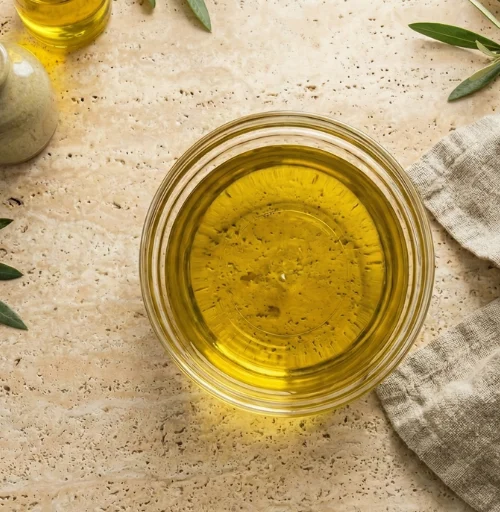
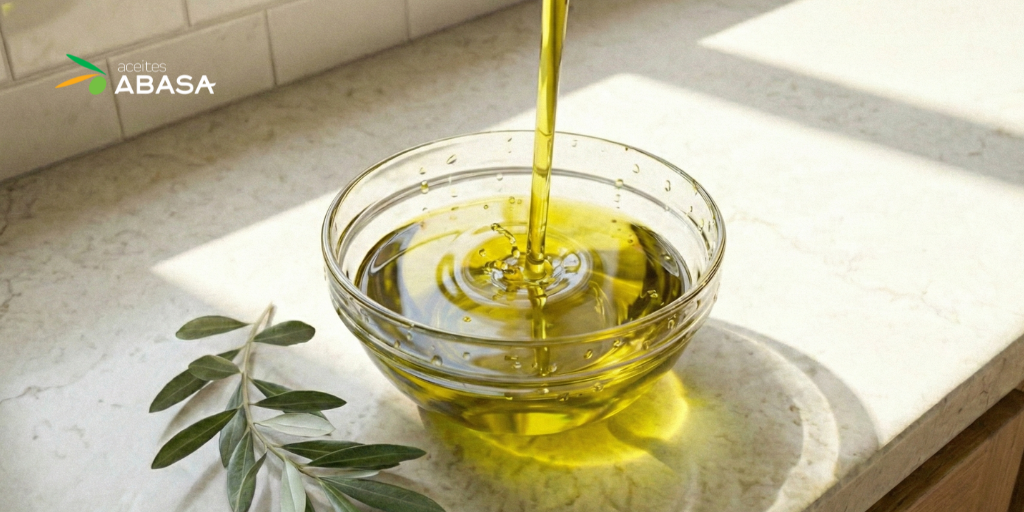
When it comes to sources of polyphenols, there is one ingredient that stands out above the rest: olive oil.
Benefits of polyphenols in olive oil
Olive oil is an especially rich source of polyphenols. This ingredient not only adds delicious flavor to dishes but also offers numerous health benefits:
- Cardiovascular protection: The polyphenols in olive oil have been associated with a reduced risk of cardiovascular diseases. They help improve endothelial function, reduce inflammation, and protect LDL cholesterol from oxidation, which can decrease plaque buildup in arteries and reduce the risk of heart attacks and strokes.
- Anti-inflammatory properties: Oleuropein and other polyphenols in olive oil have potent anti-inflammatory properties that can help reduce chronic inflammation in the body. This not only benefits cardiovascular health but can also help alleviate symptoms of inflammatory diseases such as arthritis and improve overall health.
- Antioxidant effects: The polyphenols in olive oil act as antioxidants, protecting the body’s cells from damage caused by free radicals. This antioxidant effect can help prevent premature aging, protect against degenerative diseases such as Alzheimer’s and Parkinson’s, and reduce the risk of cancer.
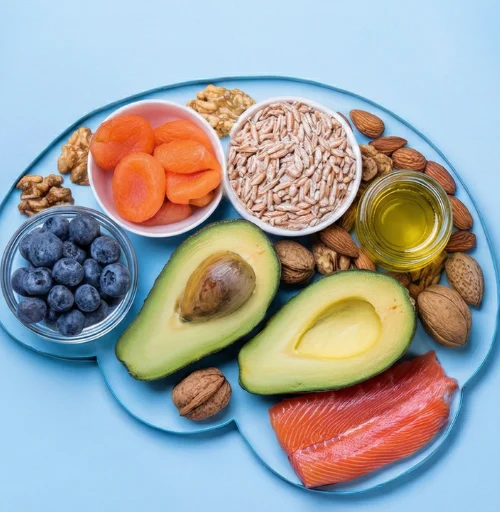
- Brain health benefits: Some studies suggest that polyphenols in olive oil may have protective effects on the brain. They have been shown to improve cognitive function, protect against age-related cognitive decline, and reduce the risk of neurodegenerative diseases.
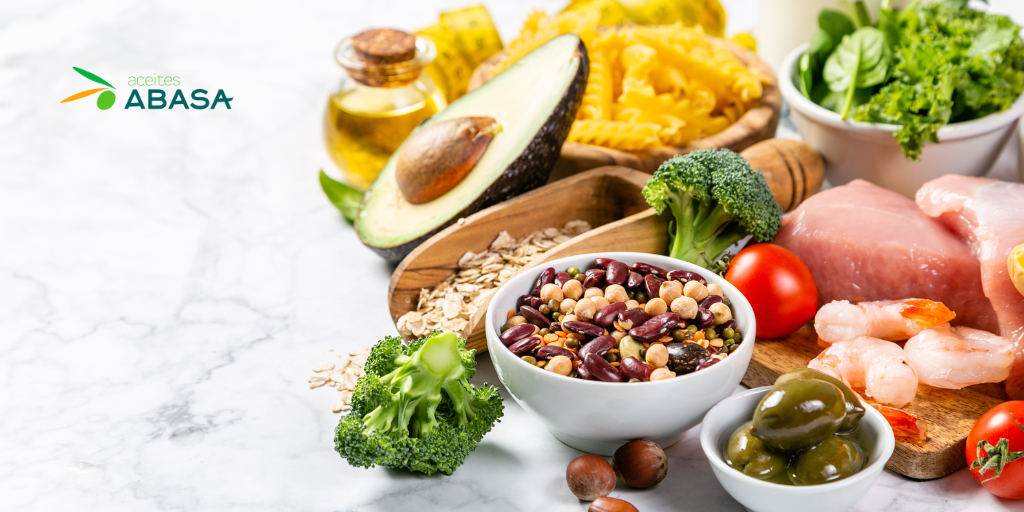
Olive oil, a cornerstone of the Mediterranean diet, provides a healthy dose of polyphenols that can promote health on multiple levels. To maximize the benefits of these compounds in olive oil, it is important to choose a high-quality oil and use it in various culinary applications, such as salad dressings, sautés, marinades, and sauces. Additionally, it is essential to follow a generally balanced and healthy diet, rich in fruits, vegetables, whole grains, lean proteins, and healthy fats, to maximize health benefits, adding the indicated daily amount of olive oil
Polyphenols are bioactive compounds that play a crucial role in promoting health and preventing diseases. By including a variety of polyphenol-rich foods in the daily diet, we can take full advantage of their numerous health benefits and improve the quality of life in the long term.