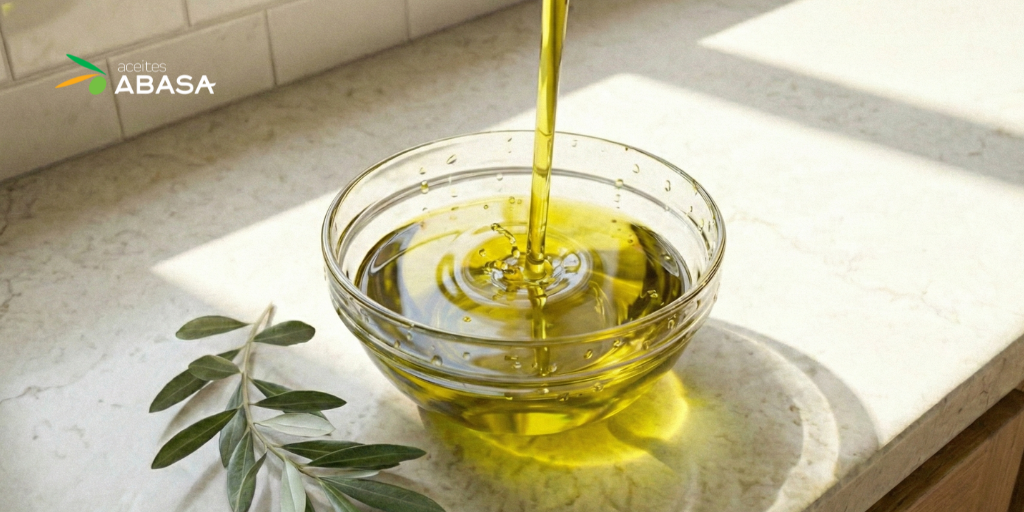
The smoke point of vegetable oils is a term that may go unnoticed by many, but its importance is undeniable.
What is the smoke point?
The smoke point is the temperature at which an oil begins to decompose and produce visible smoke. This process not only affects the flavor and aroma of the oil but can also generate harmful compounds for health and release free radicals, making the oil less healthy for cooking.
It is essential to consider it when choosing an oil for cooking, especially if high temperatures are involved. Using an oil with an appropriate smoke point for the cooking technique you are using will not only ensure better culinary results but also a safer and healthier gastronomic experience.
Factors affecting the smoke point
- Fatty acid composition: Vegetable oils are mainly composed of fatty acids. These tend to have lower smoke points than saturated fatty acids. For example, oils with a high content of monounsaturated fatty acids, such as olive oil, tend to have higher smoke points than oils rich in polyunsaturated fatty acids.
- Presence of antioxidants: Antioxidants help stabilize oils and increase their heat resistance, raising their smoke point. Avocado oil is rich in antioxidants like Vitamin E, contributing to its stability at high temperatures.
- Refining grade: The refining process that a vegetable oil undergoes can affect it. Refined oils tend to have higher smoke points than their unrefined counterparts, as refining removes impurities and compounds that can contribute to decomposition at high temperatures.
- Moisture and impurity content: The presence of water and other impurities in an oil can decrease its smoke point by facilitating decomposition and smoke release.
- Oxidative stability: That is, its resistance to oxidation when exposed to oxygen and heat, also plays a significant role in its smoke point. Oils with higher oxidative stability tend to have higher smoke points.
Importance of knowing the smoke point
- Food safety: Cooking with oils that exceed their smoke point can generate smoke and release harmful and carcinogenic compounds, which not only ruins the taste of food but can also pose health risks.
- Nutrient preservation: Using oils within their proper temperature range helps preserve the nutrients and antioxidants present in them, ensuring a healthier and balanced diet.
- Better flavor and texture: Oils that are used correctly based on their smoke point can enhance the flavor and texture of food, creating more delicious and appetizing dishes.
Types of oils and their smoke points
Olive oil
It is one of the most popular and versatile oils in the kitchen. It has several varieties, each with its own flavor profile and unique characteristics.
- Olive Oil: Its even higher smoke point, around 410ºF, makes it suitable for a variety of cooking techniques, from sautéing to frying.
- Virgin Olive Oil: With a slightly higher than extra virgin, about 390°F, it’s a choice for sautéing and frying at moderate temperatures.
- Extra Virgin Olive Oil: With a lower smoke point, around 320°F, it’s ideal for dressings, marinades, and sautéing over medium heat.
- Olive Pomace Oil: Its very high, about 465°F, ideal for frying and cooking at high temperature.
Avocado Oil
Extracted from avocado pulp, it is known for its rich flavor and high heat resistance.
- Refined Avocado Oil: With a smoke point of around 520°F, this oil is perfect for frying and high-temperature cooking without sacrificing its flavor.
- Virgin Avocado Oil: Its slightly lower than refined, around 395°F, makes it ideal for sautéing and cooking over medium heat.
- Flavored Avocado Oil: Infused with natural flavors like garlic or chili, this oil adds a delicious touch to a variety of dishes.
Grape Seed Oil
Extracted from grape seeds, it is known for its mild flavor and high heat resistance. Its around 420°F, making it excellent for frying, baking, and grilling.
Sunflower Seed Oil
Appreciated for its neutral flavor and ability to withstand high temperatures. With a smoke point of around 440°F, this oil is a popular choice for frying, baking, and roasting.
Coconut Oil
Extracted from coconut pulp, it is known for its distinctive coconut flavor and versatility. The smoke point of this oil is around 350°F, making it ideal for frying, baking, and adding a tropical touch to both sweet and savory dishes.
Rice Bran Oil
Obtained from rice bran and germ, its around 450°F, perfect for high-temperature cooking, frying, and sautéing, while adding a subtle nutty flavor.
At Aceites ABASA, we offer a wide selection of high-quality oils to meet all culinary needs. From the rich and versatile olive oil to the exotic coconut oil, our range of products is designed to elevate the quality and flavor to new levels.
Understanding the factors that influence the smoke point of oils allows us to select the right oil for each cooking technique, maximizing both the flavor and safety of culinary preparations.