Olive oil is a cornerstone of the Mediterranean diet. It is a healthy food with numerous health benefits, as well as being versatile, forming part of a balanced diet. However, amid its recognition, there are also misconceptions and false claims that can distort its true value. In this article, we unravel the web of myths and realities surrounding olive oil, providing a clear and grounded perspective on this precious culinary treasure.
Myths about olive oil
Myth 1: “All olive oils are the same”
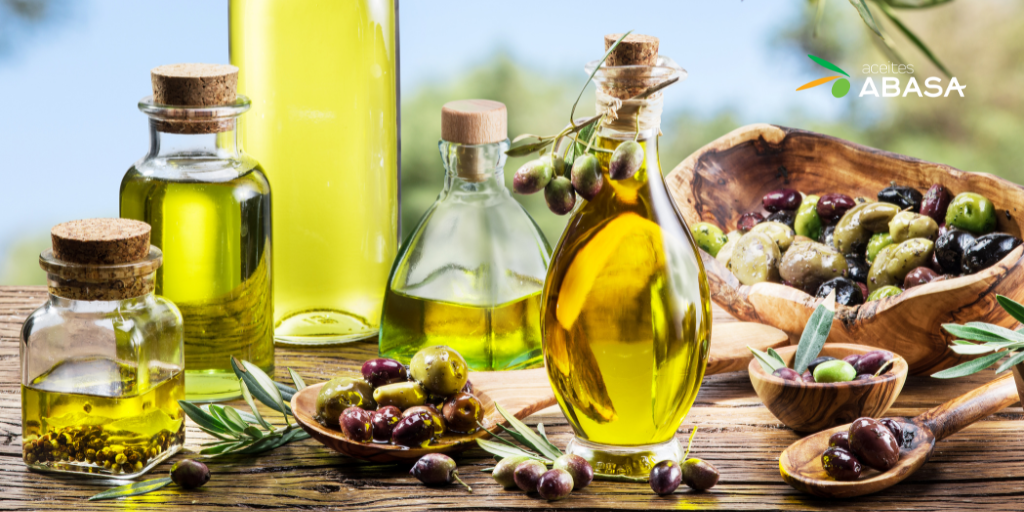
This is one of the most widespread myths about olive oil. In fact, there is a variety of types of olive oil, each with its own flavor, aroma and nutritional profile. The quality and characteristics of an oil vary depending on the variety of olives used and the region of origin, but above all, by the extraction method and production process.
Myth 2: “Extra virgin olive oil is the same as virgin olive oil”
The acidity level of extra virgin olive oil will not exceed 0.8%, while in virgin olive oils it can reach 2%, which has implications both in terms of flavor and aroma as well as in preserving properties.
Myth 3: “Olive oil is not healthy due to its high fat content”
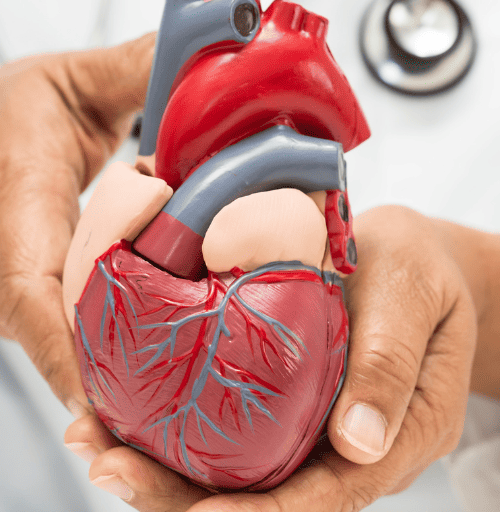
While it is true that olive oil is high in fat content, it is important to distinguish between healthy and unhealthy fats. This oil is rich in monounsaturated fatty acids, especially oleic acid, which is associated with reducing the risk of heart disease and improving heart health. Additionally, it contains many powerful antioxidants that fight inflammation and protect against oxidative stress.
Myth 4: “Olive oil expires quickly”
Olive oil has a longer shelf life than other vegetable oils. Due to its high content of natural antioxidants, such as polyphenols, it can be preserved for an extended period if stored properly. To maintain its freshness and quality, it is recommended to store it in a cool, dark and airtight place.
Myth 5: “It cannot be cooked at high temperatures”
Like every oil, olive oil has a smoke point, in this case high, around 190-220°C. This makes it suitable for cooking at medium-high heat.
Myth 6: “It is not suitable for raw consumption”
Olive oil is an excellent choice for raw consumption, whether in salads, dressings, or for dipping bread. Its characteristic flavor and fruity, herbaceous aromas are enhanced when consumed without being subjected to high temperatures.
Myth 7: “Extra virgin olive oil is not suitable for people with high cholesterol”
It contains monounsaturated fatty acids, which are considered healthy fats and can help reduce LDL ( “bad” cholesterol) in the body. Additionally, its regular consumption has been associated with cardiovascular health benefits, including reducing the risk of heart disease.
Realities about Olive Oil
Reality 1: Olive oil is a key component of the Mediterranean diet
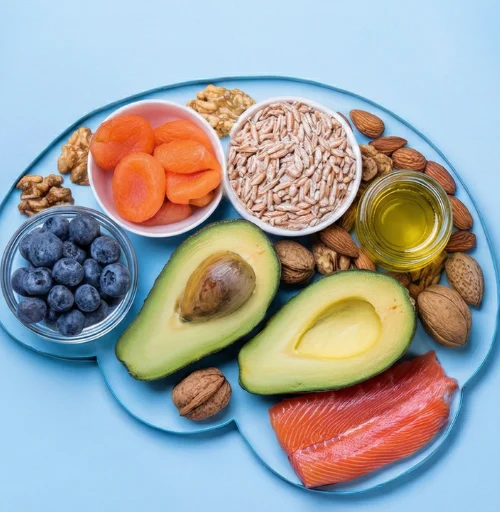
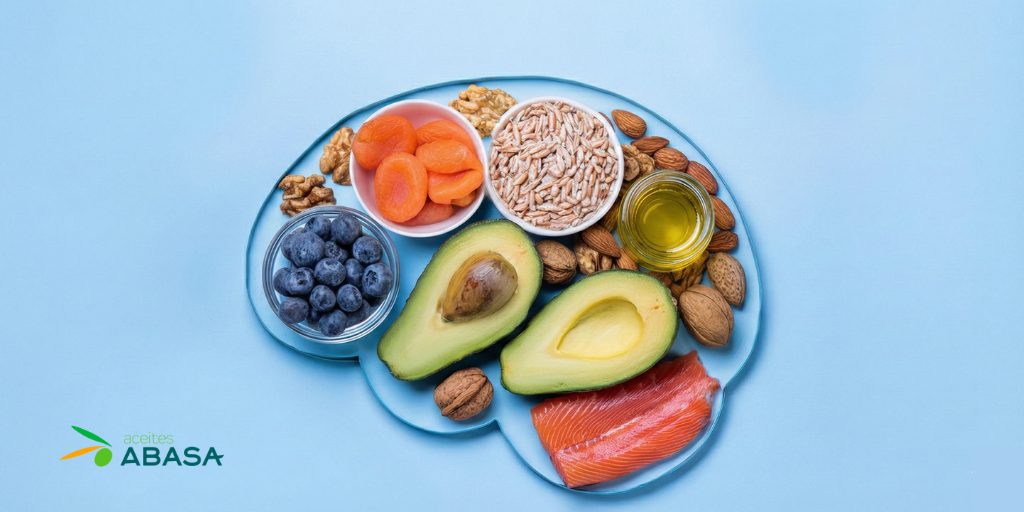
The Mediterranean diet, rich in fruits, vegetables, nuts, fish and olive oil, has been associated with a significant reduction in the risk of heart disease, type 2 diabetes and certain types of cancer. By consciously and balancedly incorporating this ingredient into the daily diet, its potential to promote long-term health can be leveraged and the benefits offered by this diet in general can be enjoyed.
Reality 2: There is a wide variety of types and qualities
From extra virgin to refined oil, it is important to know the differences and choose the right one according to culinary preferences and dietary needs.
Reality 3: It is a source of healthy fats
Olive oil is a prominent source of healthy fats, making it an essential element in a balanced diet. Additionally, olive oil contains antioxidants such as vitamin E and polyphenols, which have anti-inflammatory properties and help protect cells from damage caused by free radicals.
Reality 4: Regular olive oil consumption has been associated with improvements in digestive health
Recent studies have shown that regular consumption of olive oil, especially extra virgin olive oil, can have positive effects on intestinal health and the regulation of bacterial functions in the gut, contributing to better digestive health.
Reality 5: It is a versatile ingredient that can be used in a wide range of dishes
With its distinctive flavor and variety of nuances, olive oil can be used in a wide range of dishes, from fresh salads to main courses and desserts. Its ability to enhance the flavor of foods and its versatility in various culinary techniques make it an indispensable element in the kitchen.
Reality 6: Olive oil can have a positive impact on mental health
Olive oil benefits not only the body but also the mind. Numerous studies have shown that regular consumption of this oil is associated with a positive impact on mental health and emotional well-being.
Reality 7: Olive cultivation and oil production use sustainable methods
Olive cultivation and oil production are often carried out using sustainable methods that respect the environment and promote the conservation of natural resources. This helps maintain biodiversity and the health of ecosystems where olive trees are grown.
There are many myths and realities about olive oil, but its health benefits and versatility make it a staple in any diet. By understanding them, you can make the most of this product and enjoy all its benefits.