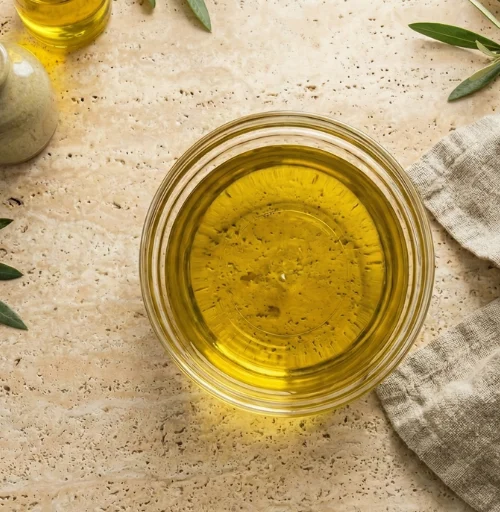
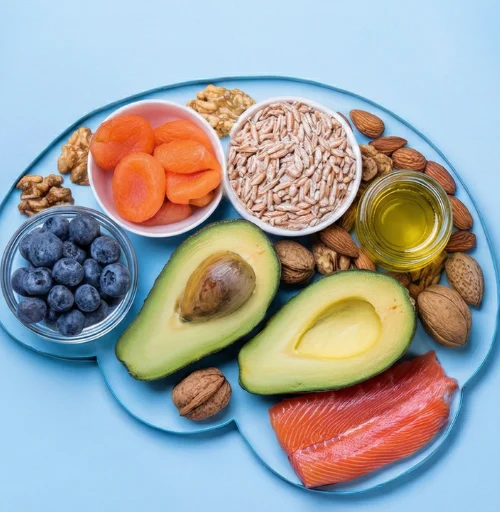
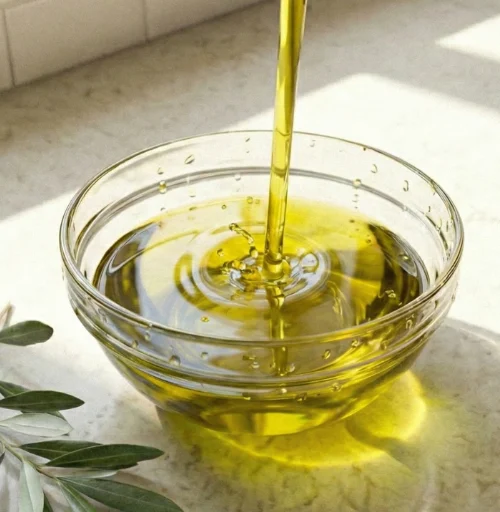
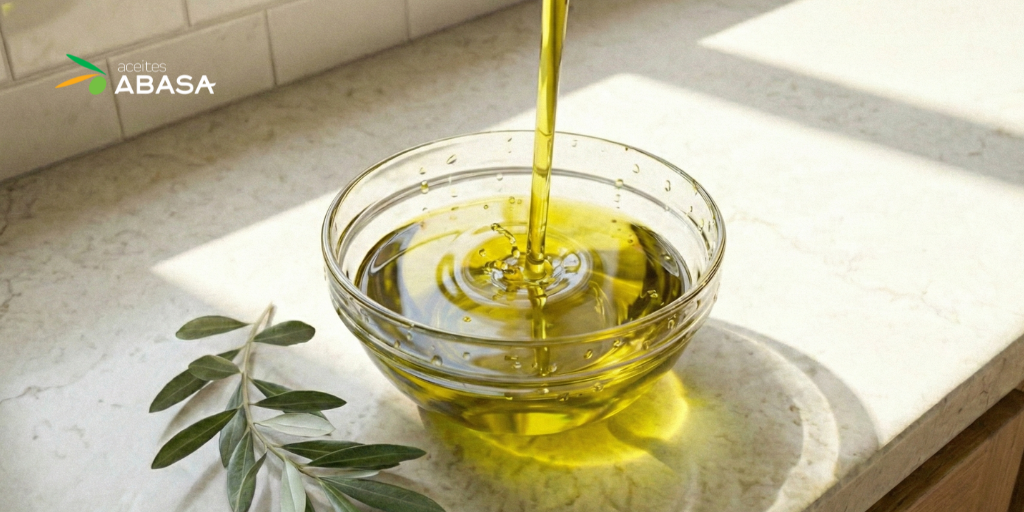
Olive oil is a fundamental cornerstone in kitchens worldwide, especially in Mediterranean countries. Its versatility, flavor and health benefits make it an essential ingredient in any balanced diet.
However, there’s not just of this type, we come across terms like “Extra Virgin Olive Oil,” “Virgin,” “Classic” or “Pomace”.
In this guide, we take a closer look at the various types of oil mentioned above, exploring their main characteristics and analyzing which one is most suitable according to specific consumption needs or preferences.
Extra Virgin Olive Oil (EVOO)
It is the highest quality oil and is obtained through mechanical or physical processes under thermal conditions that do not cause alteration of the liquid. This means that it is extracted solely by pressing olives, without resorting to chemical treatments.
Main characteristics:
- Taste and aroma: It is characterized by an intense and rich flavor, an intact aroma, reflecting the essence of the olive from which it is extracted.
- Acidity: It has a maximum acidity of 0.8%, which is an indicator of high quality.
- Uses: Ideal for consumption raw, as salad dressings, on toast, or to add the finishing touch to already cooked dishes, enhancing their flavors without overpowering them.
Virgin Olive Oil
It is also produced using methods that do not alter the original oil. The main difference from EVOO lies in its acidity and the intensity of its organoleptic defects.
Main characteristics:
- Taste and aroma: Its flavor can vary depending on several factors, such as the type of olive used, the place where the olives were grown, the production process and the level of maturity of the olives at the time of harvesting.
- Acidity: Its acidity does not exceed 2%, which is slightly higher than EVOO but still indicates good quality.
- Uses: It is versatile, suitable for both cooking and consumption raw, although it does not enhance dishes with the same intensity as EVOO.
Classic Olive Oil
Usually labeled as “olive oil,” this type is obtained by combining virgin olive oil with refined oil. The refining process removes imperfections.
Main characteristics:
- Taste and aroma: It has a lighter, smoother and neutral flavor profile, making it ideal for cooking, as it does not overpower the flavors of the food.
- Acidity: The blend results in very low acidity, generally not exceeding 0.4%, but this does not necessarily indicate superior quality, given the refining process that part of the oil undergoes.
- Uses: Its higher smoke point compared to virgin oils makes it more suitable for frying, baking and other high-temperature cooking methods.
Olive Pomace Oil
This oil is obtained from the pulp and pits of olives, along with a small residual amount of olive oil. Using two-phase mills, initially, a compact mass known as “alperujo” is obtained, from which the oil contained in it is extracted. This oil, called crude olive pomace oil, then undergoes a refining process and, finally, is blended with virgin oils to impart flavor, color and aroma, thus becoming a suitable product for consumption, olive pomace oil.
Main characteristics
- Taste and aroma: It has a more neutral profile than virgin olive oil or EVOO, due to its refining and blending process.
- Acidity: Similar to classic, its acidity is low due to the refining process it undergoes.
- Uses: It is often used in the food industry and for frying due to its high smoke point.
How to choose?
The choice among all these types of oil depends on the intended use and personal preferences.
While EVOO and virgin are preferable for salads and dishes where the full flavor is desired, classic and pomace are good alternatives for cooking, especially for frying due to their higher tolerance to high temperatures.
Olive oil is not just another ingredient; it is an invitation to explore flavors, traditions and healthy benefits. By understanding the differences between the types of oils, you can enhance each recipe.
At Aceites ABASA, we offer a variety of olive oils of the highest quality, ranging from EVOO to virgin and classic. Our oils are selected to ensure that each drop carries the seal of quality and tradition that characterizes us.