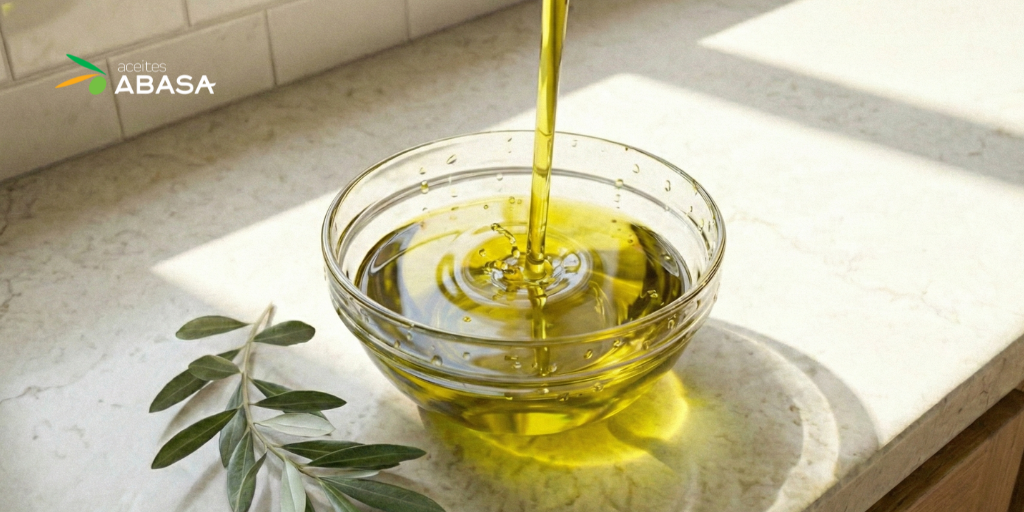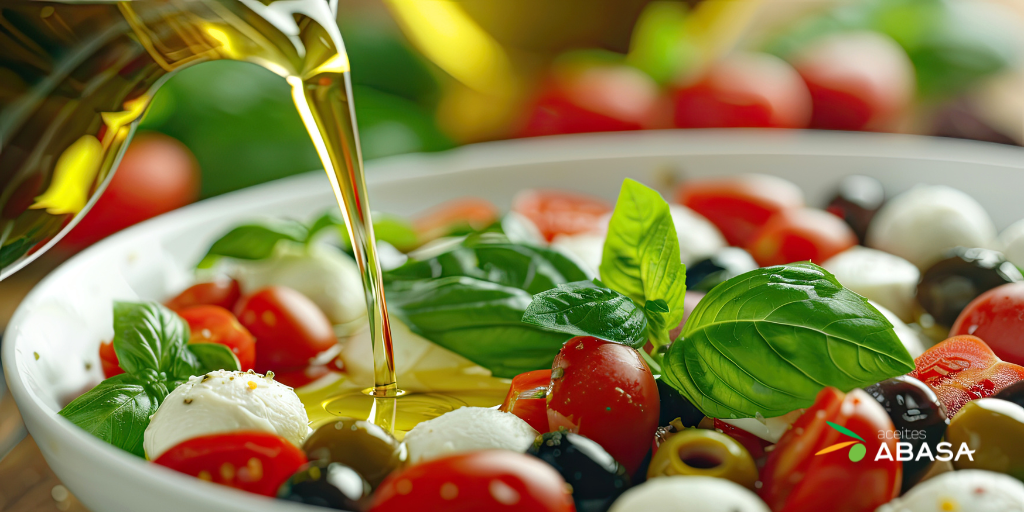
Olive oil is known for its unique flavor and multiple health benefits, but its nutritional value goes beyond being an excellent source of monounsaturated fatty acids. This oil, fundamental in the Mediterranean diet, is also an important source of fat-soluble vitamins essential for overall well-being. In this article, we explore vitamins A, D, E and K, present in olive oil, and how they contribute to health.
Vitamin A: eye health and glowing skin
Vitamin A, essential for vision and maintaining healthy skin, is found in olive oil in the form of antioxidant compounds such as carotenoids. This vitamin helps protect the eyes from age-related degenerative diseases and is crucial for skin cell regeneration. Regular consumption of olive oil can therefore contribute to better eye health and more nourished, supple skin.
Vitamin D: strengthens bones and the immune system
Olive oil contains small amounts of vitamin D, crucial for calcium absorption and bone health. This nutrient also plays a key role in regulating the immune system. The presence of this vitamin in olive oil further enhances its value as a nutritional supplement, especially when combined with other calcium-rich foods, such as dairy products or green leafy vegetables.
Vitamin E: antioxidant power and cellular protection
Olive oil is an excellent source of vitamin E, a powerful antioxidant that protects cells from free radical damage. This not only helps prevent premature skin aging, but also reduces the risk of cardiovascular disease and other chronic disorders. The vitamin E in olive oil also improves blood circulation, contributing to better cardiovascular health.
Vitamin K: bone health and blood clotting
Vitamin K is essential for blood clotting and bone health. In olive oil, this vitamin is found in the form of phylloquinone, which helps regulate bone metabolism and promotes calcium absorption. Adequate consumption of olive oil can therefore help prevent bone diseases such as osteoporosis, as well as improve the body’s ability to stop bleeding.
Why is olive oil important in our diet?
Olive oil is not only a key ingredient in the kitchen, but its vitamin profile makes it an essential ally for our health. As a natural source of vitamins A, D, E and K, olive oil contributes to better immune, eye, bone and cardiovascular function. Its combination of healthy fats and essential vitamins makes it an indispensable food in a balanced diet.
How to get the most out of the vitamins in olive oil?
To preserve the vitamins in olive oil to the maximum, it is important to store it correctly. It is recommended to store it in a cool, dark place, as heat and light can degrade its nutrients. In addition, it is preferable to consume it raw or in low-temperature preparations to avoid the loss of its most sensitive vitamins.
In summary, olive oil is much more than a tasty condiment: it is a rich source of essential vitamins that can significantly improve our health. Incorporating it regularly in the diet can be a delicious and healthy way to take advantage of its nutritional benefits.