Olive oil is not just a product of the land; it is a reflection of the unique conditions in which olive trees grow. From temperature extremes to soil properties, the natural environment plays a crucial role in its quality and character.
In this article, we explore how climate, terrain and their interaction determine not only olive production, but also the sensory characteristics that make olive oil a unique and diverse food.
The impact of climate on olive harvesting
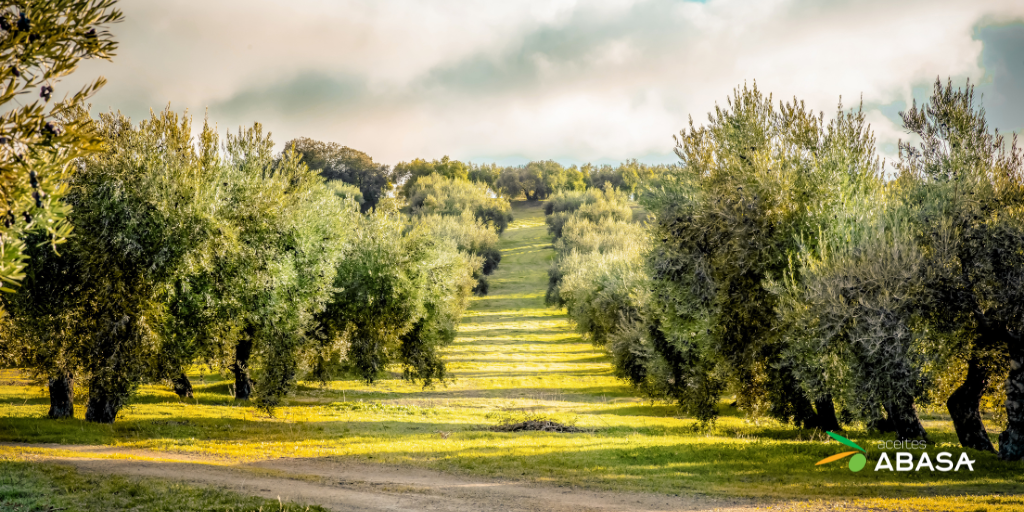
Climate is one of the most important determinants of olive oil quality. Extreme temperatures, both high and low, can negatively affect olive production and quality. During very cold winters or excessively hot summers, olive trees can suffer stress, which affects the ripening of the olives and the amount of oil extracted from them.
Humidity and rainfall also play a crucial role. Excessively wet weather can promote the growth of diseases in olives, while prolonged drought can reduce crop yields. However, olive trees, being hardy trees, have the ability to adapt to different climatic conditions, which gives olives from certain regions unique characteristics.
The role of the soil in the quality of the oil
The soil in which olive trees are grown is another fundamental factor that determines the properties of olive oil. The type of soil (clay, limestone, sandy, etc.) affects the quantity and quality of nutrients available to the olive trees, as well as the flavor.
Altitude and terrain slope are also key factors. At higher altitudes, daytime and nighttime temperatures are more extreme, which favors the concentration of phenolic compounds in the olives, generating an oil with greater flavor and antioxidant properties. Olive trees grown on sloping land, on the other hand, tend to have natural drainage that improves the health of the tree and the quality of the olives.
Olive varieties and their relationship to climate and terrain
Each olive variety is best suited to certain types of climate and terrain. For example, varieties native to certain regions have evolved to thrive in their local conditions. The combination of climate and soil in these areas results in oils with distinctive sensory characteristics, which explains the great diversity of olive oils available on the market. Warmer areas favor the cultivation of olive varieties that require a dry, hot climate to reach maturity, while in cooler, mountainous regions, olives grow slowly, developing oils with more intense and complex flavors.
Microclimates and their effects
Microclimates are a decisive factor for olive oil producing regions. In some areas, the microclimates created by proximity to mountains, valleys or bodies of water have a noticeable impact on the flavor of the oil. Diurnal and nocturnal temperature variations affect the ripening of the olives, contributing to the concentration of flavors and aromas in the oil.
For example, some areas near the sea have a constant breeze that moderates extreme temperatures, favoring a more uniform ripening of the olives. This can result in oils with more balanced and smoother flavors.
Innovation and technology
The olive oil sector is investing in research and development to better understand how climate and terrain affect production. Advanced sensors and soil analysis are enabling producers to optimize growing conditions and improve oil quality. Technological innovations are also helping to predict the impact of climate change, allowing olive growers to adapt and maintain oil quality over the long term.
For all these reasons, climate and terrain are two of the most important determinants of olive oil quality. From the weather conditions that affect the harvest, to the type of soil that influences the nutrients in the olives, all contribute to creating oils with unique flavors and exceptional properties. Knowing how these factors impact the final product is essential to truly appreciate the complexity and quality of a good olive oil.