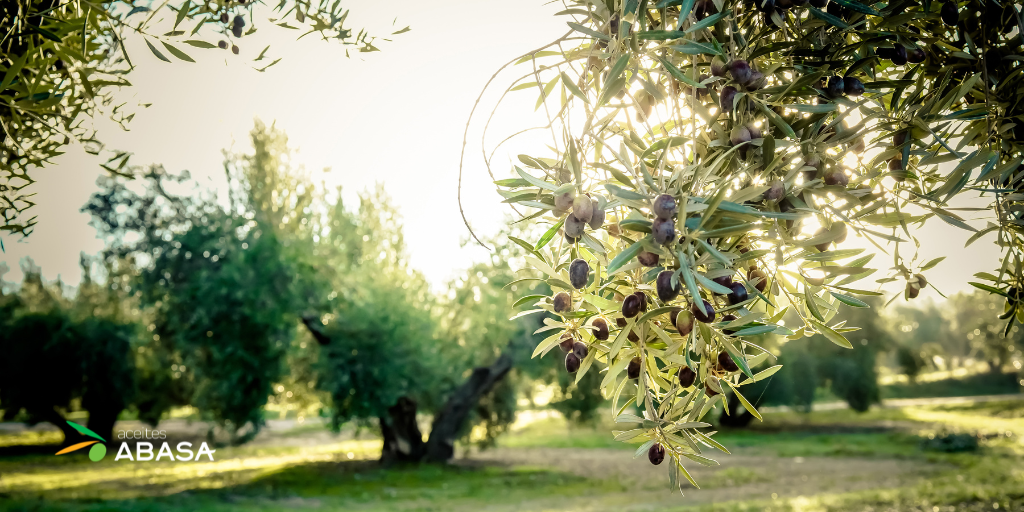
Authenticity and traceability are values on the rise today, and in this context, olive oil tourism emerges as an enriching experience. This growing trend invites a deep immersion into the olive oil universe. It also offers a unique perspective for both end consumers and industry professionals. But what does olive oil tourism really encompass and why is it so relevant today?
The olive oil tourism experience
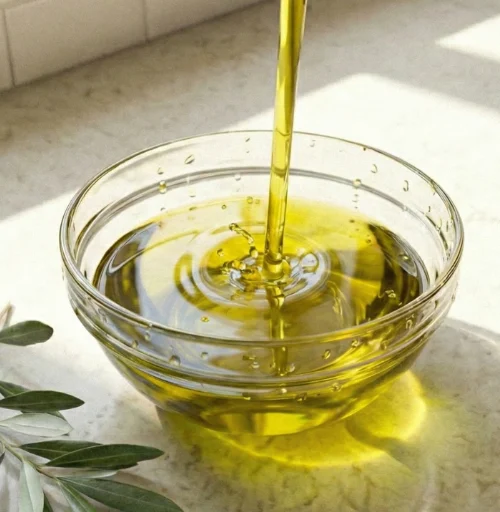
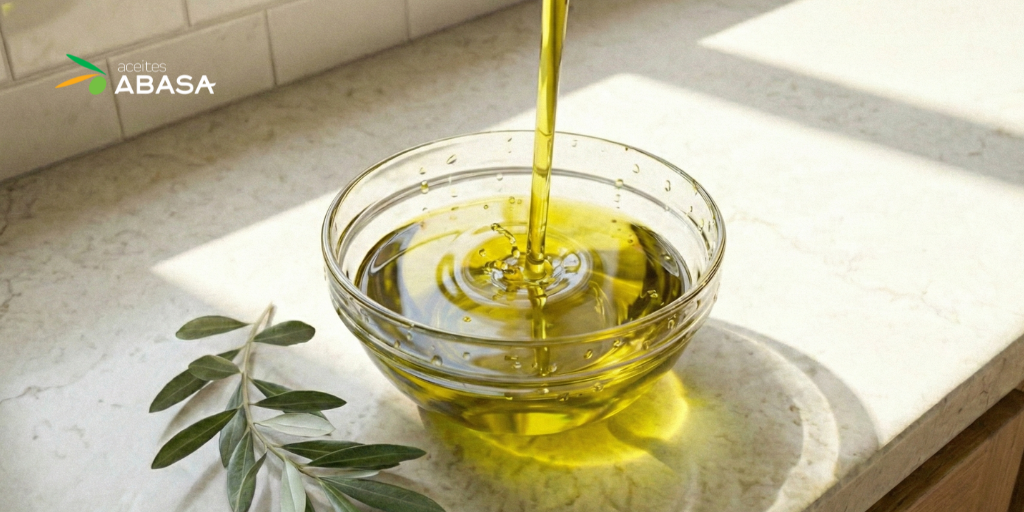
Olive oil tourism is olive oil tourism, an opportunity to explore the “liquid gold” at its source. It is a journey that combines the senses with the knowledge of a millenary heritage. The typical experience includes:
- Olive grove walks: Guided tours through extensive olive groves, where you learn about the different varieties of olives. You can also learn about their cultivation and the annual cycle of the tree and harvesting methods, from traditional manual to technified.
- Visits to olive oil mills: An immersion in the heart of the production. Here, the process of transformation of the olive into oil is revealed. From the reception of the fruit to the final bottling, you can observe the machinery and understand the importance of speed and hygiene.
- Guided EVOO tastings: In a guided tasting, expert olive oil experts teach how to taste Extra Virgin Olive Oil, identifying its positive attributes (fruity, bitter, spicy). They also recognize possible defects. Pairings are explored and you learn how to integrate EVOO in daily gastronomy.
- Workshops and gastronomy: Many experiences are complemented with practical workshops on cooking with EVOO, making derivative products (such as soaps) or enjoying tasting menus that enhance the culinary versatility of olive oil.
Technology and sustainability in production
Oil tourism also offers a privileged view of how technological innovation merges with tradition in modern olive oil mills. Technology not only ensures efficiency, but is key to maintaining the purity and quality of the oil, controlling temperatures and extraction times.
In addition, the industry is increasingly committed to sustainability. Visits to mills often highlight environmentally friendly practices: from efficient water management to the use of olive by-products and the implementation of organic farming. This reinforces the message that superior quality oil is not only delicious, but also responsibly produced.
Oil tourism: a strategic opportunity
For food professionals, oil tourism can be a strategic tool. By experiencing first-hand the origin, cultivation and processing of the oil, distributors, chefs, restaurateurs and manufacturers gain in-depth knowledge that allows them to:
- Validate quality and traceability: Understanding the process reinforces confidence in the supply chain and in the quality of the final product.
- Consumer education: Allows professionals to convey the history and added value of premium EVOO, justifying its differentiation in the market.
- Identifying trends: Connecting directly with the producer sector helps to adapt offers to an increasingly informed and demanding consumer.
- Enhancing the brand narrative: The story behind the oil becomes a marketing asset that enriches the professional’s own brand.
Oleotourism boosts appreciation for high quality olive oil, raising the bar for the entire sector. At Aceites ABASA, we understand the importance of this connection to origin and excellence. We are dedicated to distributing vegetable oils that not only meet, but exceed standards, allowing our professional partners to offer the best to their customers.