The olive tree, whose scientific name is Olea europaea, is an emblematic tree of the Mediterranean that has been revered throughout history for its fruits and oil. However, olive leaves also hold great significance due to their unique properties and multiple health benefits.
Discover how these leaves can be utilized in different forms and why they contribute to maintaining a healthier and balanced life.
Characteristics of olive leaves
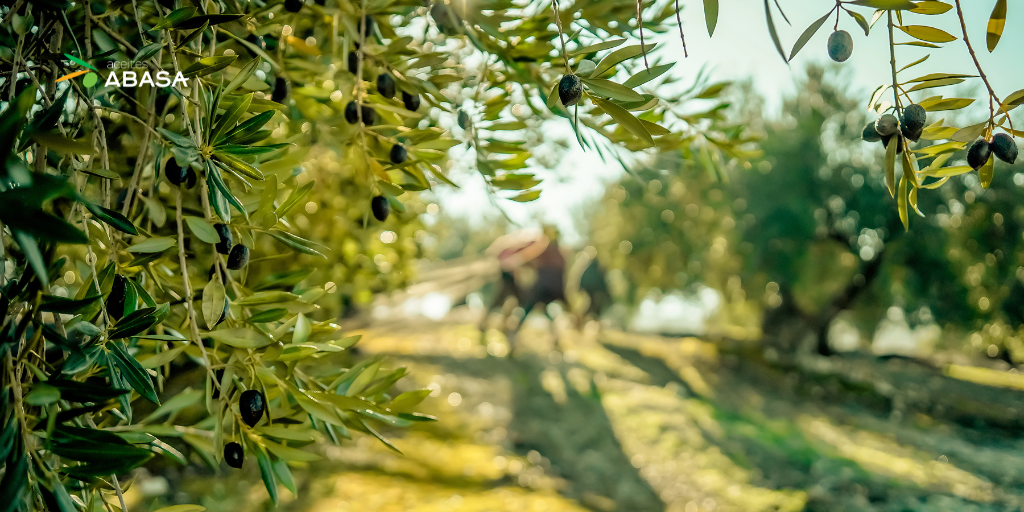
Olive leaves are lanceolate, gray-green on the upper side and lighter underneath. They are leathery, meaning they have a tough, leathery texture that allows them to withstand the adverse climatic conditions typical of the Mediterranean basin. These leaves contain a variety of bioactive compounds, among which polyphenols, flavonoids, triterpenes, and secoiridoids stand out.
Main bioactive compounds
- Oleuropein: this is one of the most important compounds present in olive leaves. Oleuropein is a potent antioxidant that also has anti-inflammatory and antimicrobial properties.
- Hydroxytyrosol: another prominent polyphenol found in leaves, known for its powerful antioxidant capacity.
- Oleanolic acid: this triterpene has anti-inflammatory, hepatoprotective, and anti-proliferative properties, making it useful in the prevention of various diseases.
Benefits
Olive leaves have been traditionally used in folk medicine, and now, thanks to scientific research, their effectiveness in various health aspects has been validated.
1. Antioxidant properties
Compounds present in olive leaves, especially oleuropein and hydroxytyrosol, have potent antioxidant properties. These antioxidants help combat oxidative stress, a key factor in aging and the development of chronic diseases such as cancer, diabetes, and cardiovascular diseases.
2. Anti-inflammatory effect
Chronic inflammation is a central component in many modern diseases. The bioactive compounds in olive leaves can reduce inflammation, helping to alleviate conditions such as arthritis, inflammatory bowel diseases, and other chronic inflammatory diseases.
3. Improves cardiovascular health
Consuming olive leaf extract can help lower blood pressure and improve endothelial function. This is mainly due to oleuropein, which helps relax blood vessels and improve blood flow. Additionally, the antioxidant properties of leaves help prevent LDL cholesterol oxidation, thereby reducing the risk of atherosclerosis.
4. Antimicrobial properties
Olive leaves have antimicrobial properties, meaning they can help fight infections caused by bacteria, viruses, and fungi. This is largely due to oleuropein, which has been shown to be effective against a variety of pathogens.
5. Blood sugar regulation
Studies have shown that olive leaf extract can help regulate blood glucose levels, which is beneficial for people with type 2 diabetes or those at risk of developing it. Oleuropein and other compounds in leaves improve insulin sensitivity and reduce sugar absorption in the intestines.
6. Supports the immune system
The antioxidant and anti-inflammatory properties of olive leaves also contribute to strengthening the immune system. This helps the body fight infections and diseases more effectively.
Forms of consumption
These leaves can be consumed in various forms to harness their benefits:
- Infusions: dried leaves can be used to prepare tea.
- Olive leaf extract: available in capsules or liquid form, it is a concentrated way to obtain the benefits.
- Olive leaf powder: can be added to smoothies or food.
In Aceites ABASA, our commitment to health and well-being extends beyond the exceptional flavor of our olive oils. We recognize the properties of leaves and their natural benefits.