Olive oil is one of the pillars of the Mediterranean diet and a key product both in the kitchen and in the field of health. However, as a pure fat, it often raises questions: How many calories does it have? Is it really healthy if it provides so much energy?
In this article, we analyze its energy value and nutritional composition in order to understand why, despite its calories, it is still one of the fats most recommended by nutrition professionals.
How many calories does it provide?
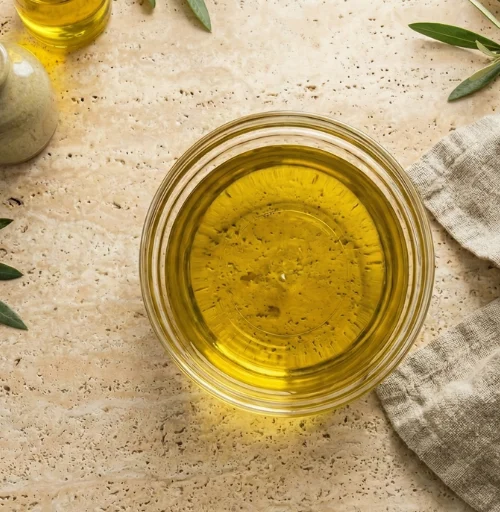
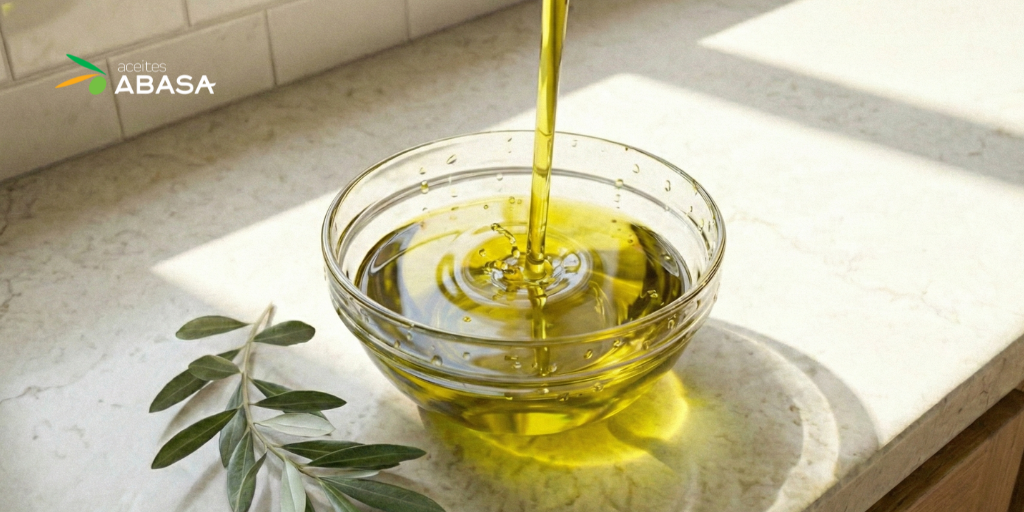
Olive oil is an energy-dense food. Specifically, it contains about 884 calories per 100 grams. If we translate it into more usual measures:
- 1 tablespoon (13.5 g) provides approximately 119 kcal.
- 1 teaspoonful (4.5 g) contains about 40 kcal.
This value is similar to that of other vegetable oils, although what really makes the difference is its nutritional profile and health benefits.
Nutritional composition
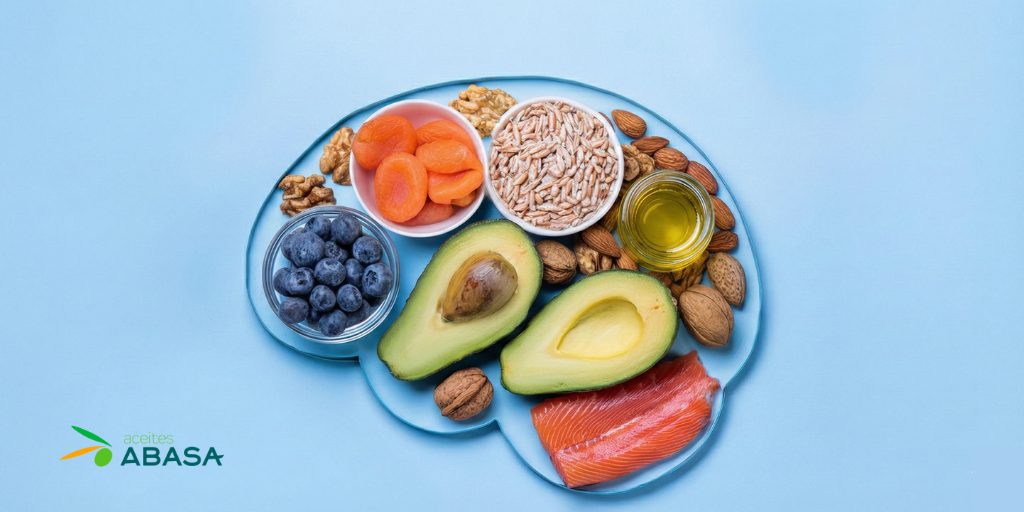
Although it is caloric, olive oil stands out for the quality of its fats. It is composed almost entirely of lipids, mainly:
- Monounsaturated fats (≈ 73%), mainly oleic acid, which helps reduce LDL (bad) cholesterol and maintain HDL (good) cholesterol.
- Saturated (≈ 14%) and polyunsaturated (≈ 11%) fats, in balanced and beneficial proportions.
- It contains neither proteins nor carbohydrates.
It also provides small amounts of vitamins such as vitamin E and vitamin K, as well as natural antioxidant compounds such as polyphenols, especially present in extra virgin olive oil.
Are there any caloric differences between types of oil?
In terms of calories, there are no major differences between extra virgin, virgin or refined olive oil. They all provide practically the same calories. However, there are important differences in their nutritional quality.
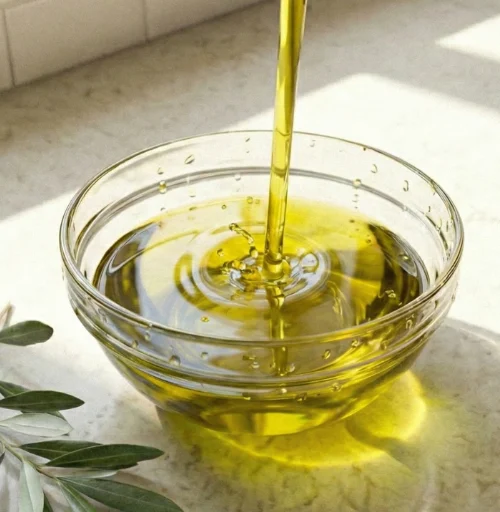
Extra virgin olive oil, obtained by mechanical procedures and without refining, preserves intact its antioxidants, polyphenols and vitamins, making it the healthiest and most recommended option.
Beyond calories: health benefits
Olive oil not only provides energy. Its regular consumption, in adequate amounts, is associated with numerous benefits:
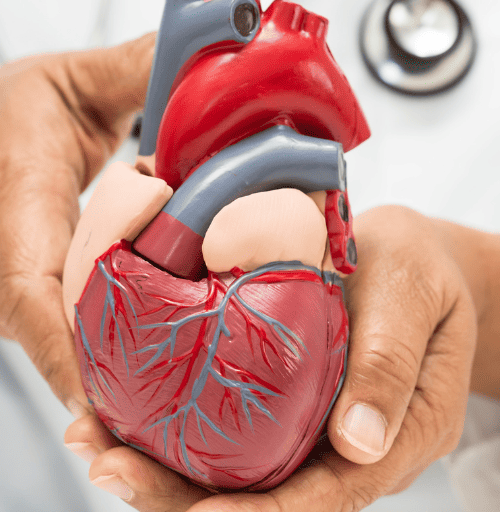
- Improved lipid profile and reduced cardiovascular risk.
- Anti-inflammatory and antioxidant properties.
- Protection against cellular aging.
- Support for the digestive and hepatic system.
These positive effects make olive oil a functional fat, which goes beyond the simple caloric contribution.
How to consume it in a healthy way
To take advantage of all its benefits without falling into excess, it is recommended:
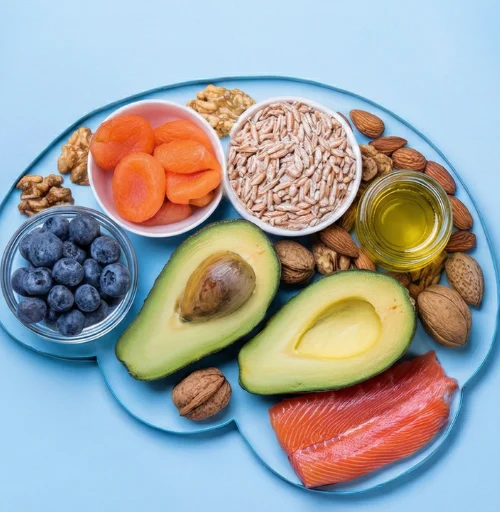
- Choose extra virgin olive oil whenever possible.
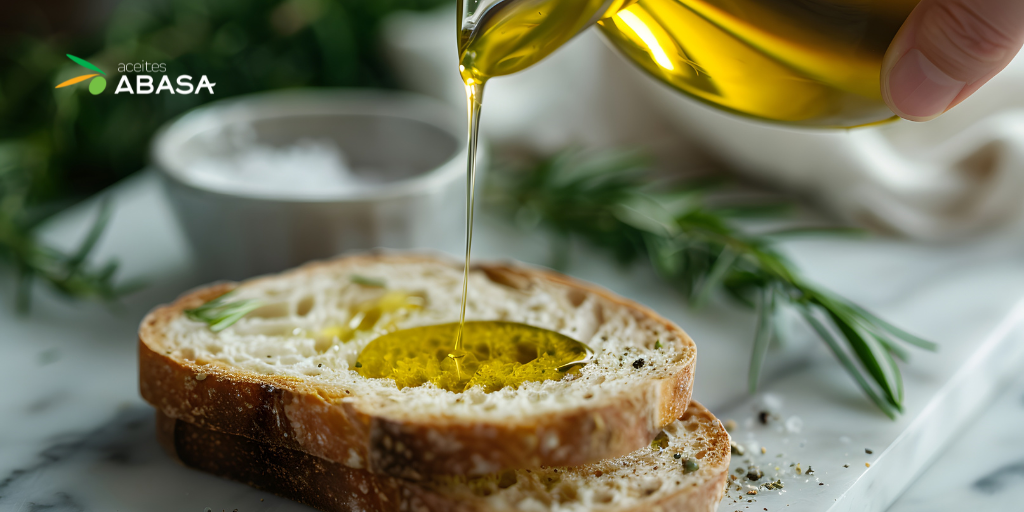
- Use it preferably raw (salads, toasts, dressings), although it is also stable for cooking.
- Consume 2 spoonfuls per day within a varied diet.
Olive oil provides a lot of calories, yes, but its value goes far beyond the energy it provides. It is a source of healthy fats, antioxidants and bioactive compounds that make it one of the most valuable foods in our diet. Therefore, the important thing is to learn to use it in a balanced way. Because in nutrition, quality matters as much as quantity.