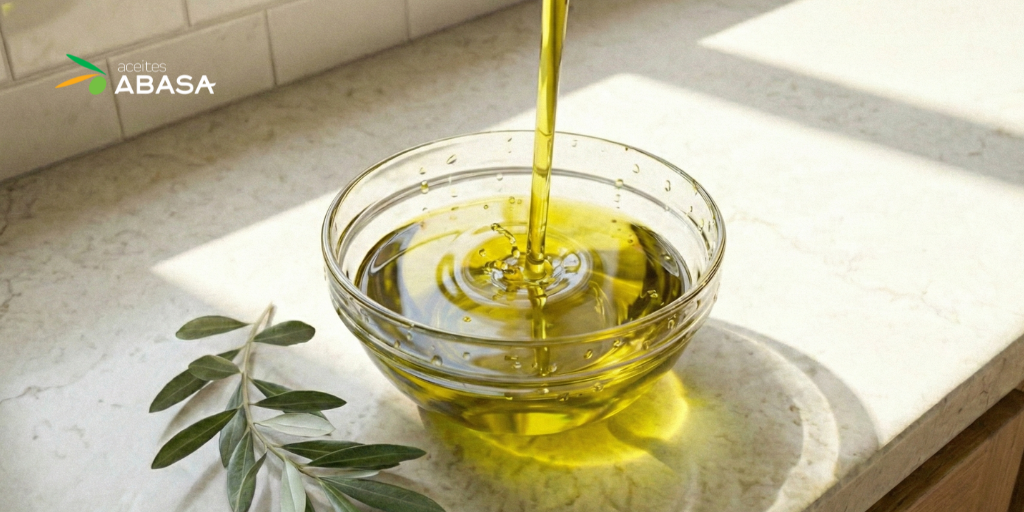
Olive oil is not just an ingredient: it is tradition, health, and flavor concentrated in a bottle. From the harvesting of the olives to the moment it reaches our table, every step of the process has an impact on its quality. One of the most important, though often least known, is the filtration of olive oil. This process can determine its flavor, aroma, appearance, and shelf life, and is key for both producers and food lovers.
What does filtering olive oil mean?
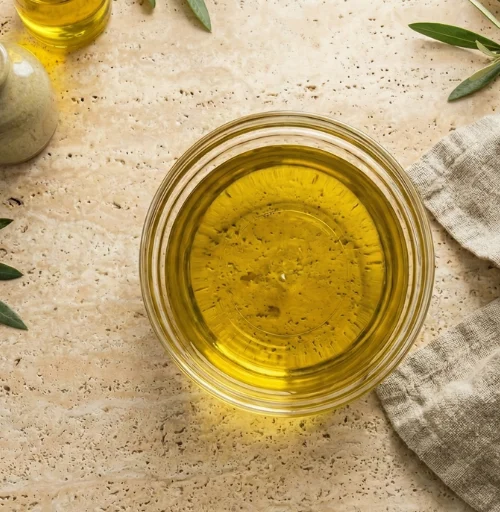
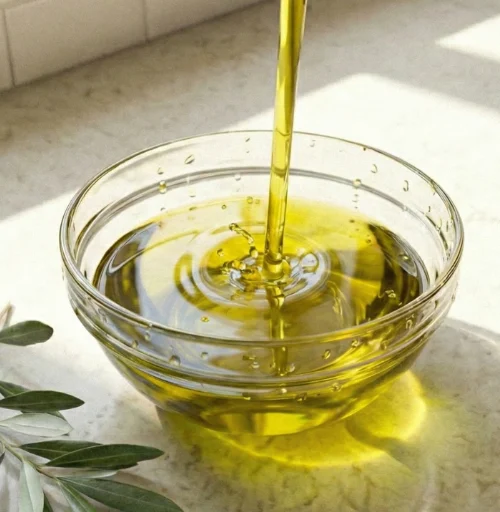
Filtering oil involves removing impurities, pulp residues and water that remain after extraction. Freshly pressed oil, known as “unfiltered” oil, is usually cloudy and contains natural sediments. Filtered oil, on the other hand, is clearer and more stable, with a shiny appearance.
The choice between filtered and unfiltered affects the sensory experience and shelf life of the oil. While unfiltered oil may offer a more intense and complex flavor, filtered oil resists oxidation better and stays fresh longer.
Filtration methods
There are various techniques for filtering oil, ranging from the most traditional to the most modern:
- Natural decanting: the oil is left to settle for days or weeks, allowing the sediments to settle naturally at the bottom.
- Filtration with paper, cloth or cellulose earth: At Aceites ABASA, we use ARBOCEL and VITACEL, pure, high-quality cellulose fibers that allow us to obtain impeccable EVOO with greater stability and optimal preservation. These fibers preserve the oil’s organoleptic properties, facilitate sustainable waste management and ensure safe handling for our team, thanks to our collaboration with Rettenmaier Ibérica.
- Modern filtration (centrifugation or microfiltration): uses advanced technology to quickly separate sediments, maximizing product stability.
How filtration affects quality
Filtering oil is not simply a cosmetic procedure. Filtration has an impact on several essential characteristics:
- Flavor and aroma: Unfiltered oil tends to be fruitier and have more intense nuances, while filtered oil retains the character of the oil but in a milder form.
- Stability and preservation: The presence of water and particles accelerates oxidation; therefore, filtered oil lasts longer without losing its properties.
- Health properties: Although unfiltered oils may contain slightly more polyphenols and antioxidants, the difference is not always significant for the daily diet.
In short, filtration is a tool for balancing flavor and longevity, adapting the oil to different uses and preferences.
Filtered or unfiltered oil: which should you use?
Depending on the purpose, it is more advisable to use filtered or unfiltered oil. For cooking or frying, filtered oil is ideal because it withstands heat better and maintains its quality for longer. For dressing, tasting raw or preparing dishes where flavor is the star, unfiltered oil provides a more intense aroma and unique character.
Consumer perception also plays a role: some seek a clear, elegant oil, while others prefer the authenticity of cloudy oil, which reflects a more artisanal product.
Storing olive oil
Regardless of whether olive oil is filtered or unfiltered, it is essential to store it carefully, keeping the bottle away from direct light and heat sources to preserve its flavor, aroma and healthy properties. These precautions ensure that every drop retains its properties and flavor, prolonging the experience of enjoying good olive oil.
The filtration of olive oil reflects different processes that offer different experiences. While filtered oil stands out for its stability and clarity, unfiltered oil provides intensity and aromatic character. Knowing these differences allows you to choose the right product for the occasion, whether it’s a fragrant oil for salads or a more durable one for cooking. Ultimately, the choice depends on the taste and purpose of a natural product that has accompanied humanity for centuries.