Each olive oil harvest generates thousands of tons of olive pomace, a by-product whose handling represented a challenge in the process of obtaining olive oil. However, advances in the circular economy and innovation in the sector have made it possible to transform this material into a valuable source of energy, nutrients, and compounds of high industrial interest. For this reason, olive pomace is a perfect example of how to reinvent waste and turn it into a resource.
What is olive pomace?
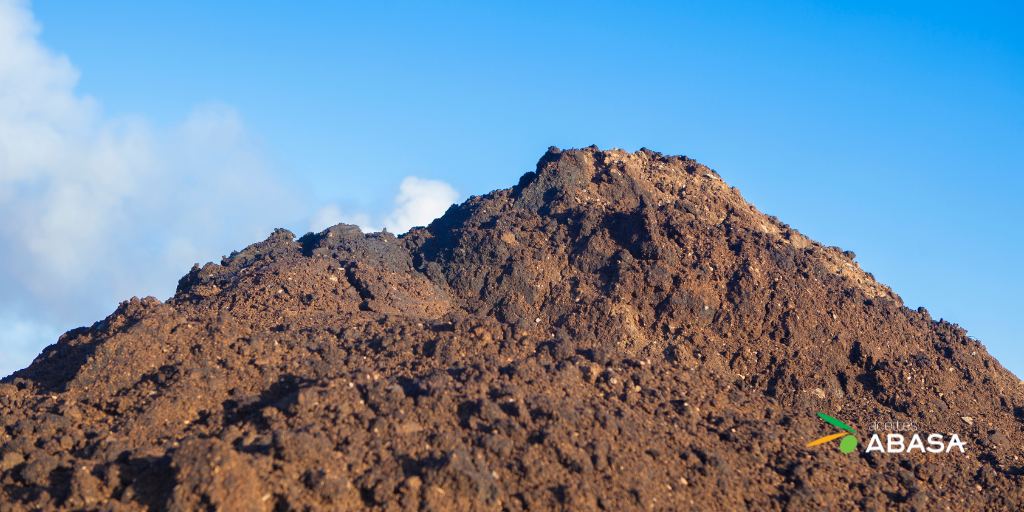
Olive pomace is the semi-fluid mixture obtained during the olive oil extraction process in two-phase systems. It contains solid residues along with water from the olives themselves and a small amount of residual oil. Its dense, dark appearance may not be very appealing, but it has great potential that can be harnessed.
Composition: organic matter and energy
This by-product stands out for its richness in organic matter, moisture and antioxidant compounds such as polyphenols. Its typical composition includes:
- Water from olives.
- Plant fiber and solid parts.
- Fragmented pits.
- Fatty residues.
- Natural antioxidants.
It is precisely this characteristic composition that makes it a difficult material to manage… but also a raw material with multiple uses.
Why was it seen as a challenging waste product?
For years, olive pomace posed a logistical and environmental challenge for oil mills. Its high moisture content makes it difficult to store and transport, and improper handling can lead to unwanted fermentation or unpleasant odors. In addition, the volume generated each season is considerable, especially in regions with large olive production.
However, the very characteristics that made its management more demanding have opened up new avenues for its recovery.
The big change: the circular economy
With the growing commitment to circular economy and the comprehensive use of resources, the olive oil sector has undergone a major shift. The idea of “waste” has evolved into that of “resource,” driven by regulations, lines of research and the need to optimize production processes. Olive pomace has thus become a key element in the circular economy approach applied to olive groves.
What is olive pomace used for? Key uses and applications
Today, olive pomace is the raw material for numerous industries and projects. Among its main uses are:
- Energy and biomass: Olive pomace can be dried and transformed into fatty pomace or orujillo, a solid biofuel used in industrial and domestic boilers. It is also useful in gasification and biogas production processes, contributing to the generation of renewable energy.
- Regenerative agriculture: Through controlled composting processes, olive pomace is converted into compost and nutrient-rich organic amendments. These products improve soil structure, promote microbial activity and help maintain the fertility of olive groves.
- Chemical and food industry: In recent years, the extraction of polyphenols and other bioactive compounds present in alperujo has been developed. These substances have high added value and are used in other industries like cosmetics, nutrition, pharmacology and food preservation.
Environmental and economic benefits
Valorization and sustainability go hand in hand. The use of olive pomace generates:
- Waste reduction and lower environmental impact.
- Renewable energy production.
- New business opportunities in rural areas.
- Greater profitability for oil mills and pomace factories.
- Reduction in emissions and improvement in the life cycle of olive oil.
This is a clear example of how waste can become an economic and environmental driver.
Olive pomace is no longer a pending challenge, but an opportunity to be seized. It represents a real transition towards a more sustainable, efficient and environmentally friendly production model. Transforming this olive grove by-product not only improves the sector’s economy, but also drives change towards more circular and responsible agriculture.