When we talk about the benefits of extra virgin olive oil (EVOO), we not only refer to its flavor or nutritional profile, but also to its bioactive compounds. Among them, one of the most outstanding is oleuropein, a polyphenol present in the leaves and fruits of the olive tree that has aroused great interest in the scientific and nutritional field due to its multiple positive effects on health.
What is oleuropein?
Oleuropein is a natural phenolic compound found mainly in olive leaves, but also in green olives and to a lesser extent in extra virgin olive oil. Its original function in the plant is to act as a defense mechanism, protecting it against bacteria, fungi and insects. In addition to its role in the olive tree, this molecule has demonstrated significant biological activity in humans, making it one of the most valuable functional ingredients of the Mediterranean diet.
Propiedades bioactivas
From a chemical perspective, oleuropein stands out for its antioxidant capacity. It belongs to the secoiridoid family and has been widely studied for its protective effect against oxidative damage, thanks to its ability to neutralize free radicals. It also exhibits remarkable thermal stability, which allows its benefits to be preserved even in culinary processes involving heat.
Main health benefits
Here are some of the most studied effects of oleuropein on human health:
- Potent antioxidant: helps reduce cellular oxidative stress, a factor associated with premature aging and chronic diseases.
- Anti-inflammatory activity: helps modulate the body’s inflammatory response, which can be beneficial in conditions like arthritis or chronic inflammatory diseases.
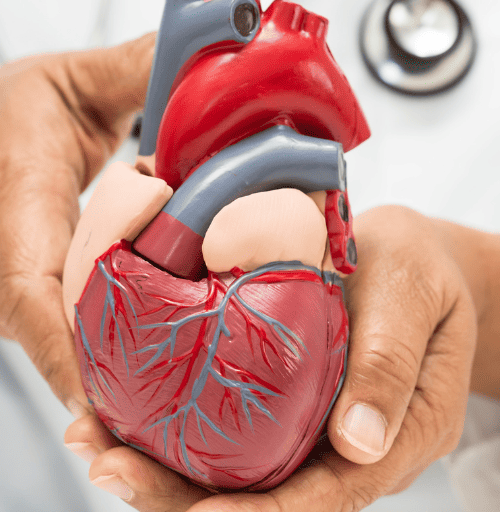
- Cardiovascular health: several studies suggest that oleuropein may improve endothelial function, help lower blood pressure and contribute to a healthier lipid profile.
- Glycemic control: it has been associated with better regulation of blood glucose levels, which could be useful as a nutritional support in people at risk of type 2 diabetes.
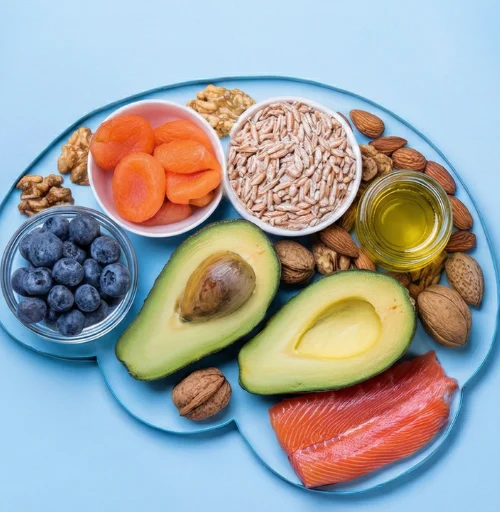
- Neuroprotection: some studies have indicated a possible protective effect against neurodegenerative diseases such as Alzheimer’s, thanks to its antioxidant and anti-inflammatory action.
- Antimicrobial and antiviral effect: oleuropein has demonstrated antimicrobial properties against various bacteria and viruses, which reinforces its value as a functional compound.
Where is it found and how to consume it?
Oleuropein is found naturally in:
- Unripe olives (green).
- Olive tree leaves (in infusions or extracts).
- Extra virgin olive oil.
In addition, there are food supplements based on olive leaf extract, standardized in oleuropein, designed to reinforce its consumption in a specific way. However, the most natural and accessible way to incorporate it into the diet is through regular consumption of EVOO, especially if it is of high quality.
Oleuropein is much more than a polyphenol: it is one of the pillars that support the benefits of EVOO and the Mediterranean diet. Its ability to protect against inflammation, oxidative stress and other physiological processes makes it a valuable ally in health promotion. Betting on foods rich in bioactive compounds such as oleuropein is also betting on a more conscious and preventive nutrition.